
Texas Mold Remediation Contractor (MRC)
License #MRC2147
IICRC Licensed
License #70011412
Controlling Growth Before It Spreads Further
Mold Remediation in Hutto for visible colonies, moisture-damaged materials, and concealed growth inside wall cavities
Mold colonizes damp building materials within 48 hours of water exposure, spreading from the initial moisture source into adjacent insulation, framing, and finishes if humidity remains elevated or leaks continue undetected. Inspection reveals not only surface growth on drywall and trim but also hidden colonies behind cabinetry, inside HVAC plenums, and beneath flooring where condensation or slow leaks create sustained moisture conditions. Beaver Dam Water Restoration conducts mold remediation throughout Hutto and the surrounding Austin region, applying Texas mold licensing standards and IICRC protocols to contain affected areas, remove contaminated materials, and address underlying moisture sources before reconstruction begins.
Remediation involves moisture mapping to identify active and historical water intrusion, containment using plastic barriers and air filtration systems to isolate work zones, removal of colonized materials that cannot be cleaned, and surface treatment where growth has not penetrated deeply. The process also includes post-remediation documentation and moisture control guidance to prevent recurrence.
Arrange a mold inspection to map contamination extent, identify moisture sources, and establish containment boundaries before removal begins.
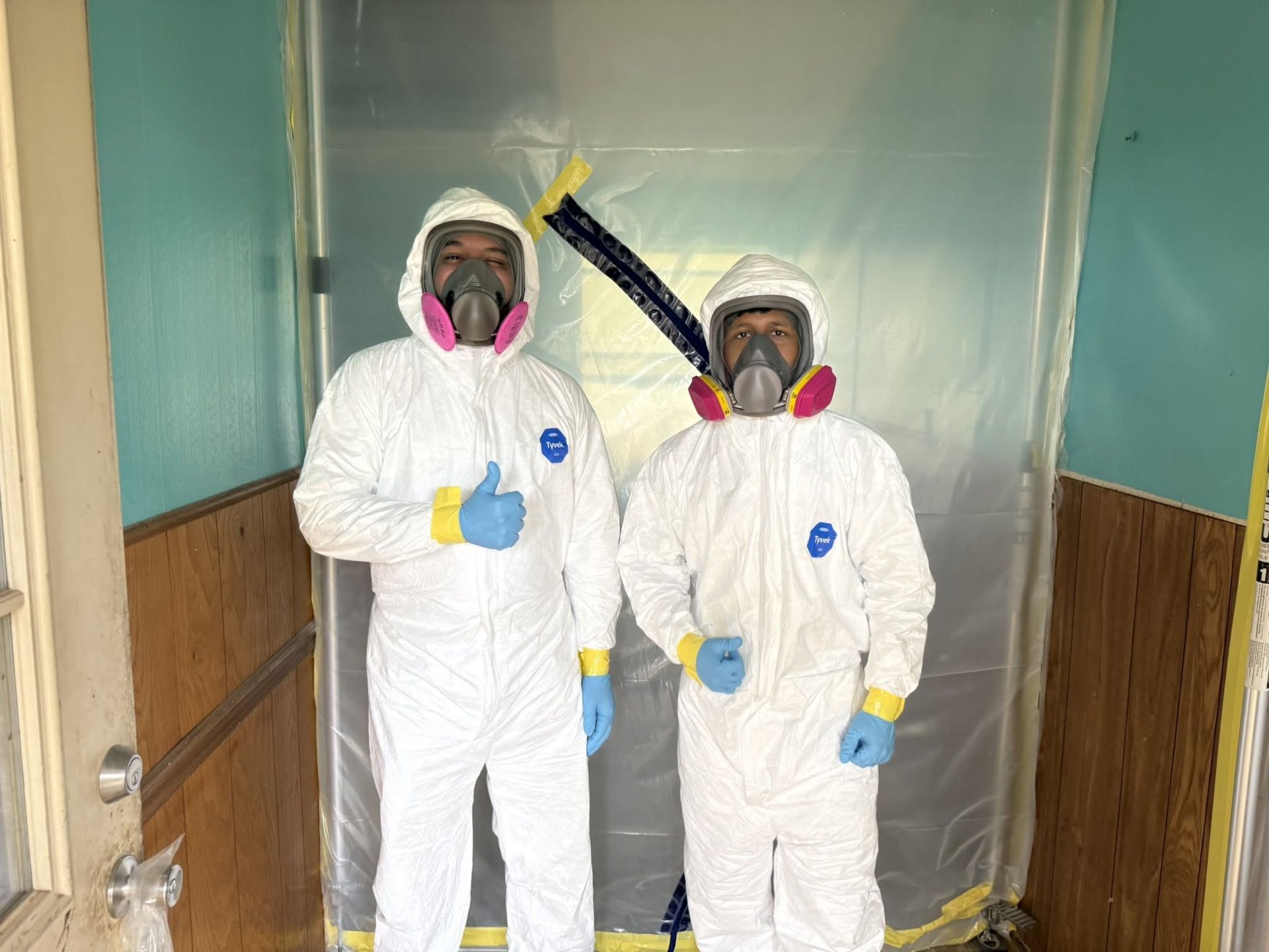
What Proper Containment and Removal Require
Certified technicians seal affected rooms with plastic sheeting and establish negative air pressure using HEPA filtration units, preventing airborne spores from migrating into clean areas during material removal. Moisture meters confirm whether active leaks or elevated humidity continue feeding growth, and thermal imaging identifies hidden moisture inside walls and ceilings that visual inspection cannot detect.
Once remediation finishes, surfaces are free of visible growth and musty odor, air filtration has reduced airborne spore counts, and affected building materials have either been cleaned or replaced with new, dry components. You no longer see discolored patches spreading across walls or smell the earthy, persistent odor that indicates active microbial activity, and documentation confirms contamination has been addressed according to industry standards.
Affected drywall, insulation, baseboards, and other porous materials often require removal and disposal rather than surface cleaning, because mold roots penetrate deeply into cellulose and wood fibers. Beaver Dam Water Restoration coordinates reconstruction after contaminated materials are removed, replacing framing, insulation, drywall, flooring, and finishes to restore structural integrity and indoor air quality for both residential and commercial properties.
Common Questions About This Service
Mold concerns prompt questions about health, containment methods, and moisture control strategies that prevent future colonization.
How does containment prevent mold spores from spreading during removal?
Plastic barriers seal the work area while HEPA filtration units maintain negative air pressure, forcing air to flow into the contained zone rather than allowing spore-laden air to escape into adjacent rooms during material removal.
What moisture sources typically cause mold growth in Hutto homes?
Roof leaks, plumbing failures, HVAC condensation, poor ventilation in bathrooms and crawl spaces, and slab leaks beneath concrete flooring all create sustained dampness that supports colonization if not corrected promptly.
Can mold be cleaned off surfaces or does all affected material require replacement?
Non-porous surfaces like metal and glass can be cleaned, but porous materials such as drywall, insulation, and unsealed wood usually require removal because mold penetrates deeply and cannot be reliably sanitized without risking regrowth.
What credentials confirm a remediation company follows proper protocols?
Texas mold licensing and IICRC certification indicate training in containment, removal, air quality management, and moisture control aligned with state regulations and national industry standards for safe, thorough remediation.
How can property owners prevent mold from returning after remediation?
Correcting the original moisture source—repairing leaks, improving ventilation, managing humidity, and addressing condensation—eliminates the conditions mold requires to colonize, and routine inspection of vulnerable areas catches problems before widespread growth develops.
Beaver Dam Water Restoration applies Texas-licensed mold remediation expertise to residential and commercial properties, combining containment, material removal, and moisture source correction with post-project documentation and prevention guidance. Contact the team to schedule an inspection and begin addressing contamination safely and systematically.