Rebuilding After Smoke and Flame
Fire Damage Restoration in Hutto for charred framing, soot-coated surfaces, and lingering smoke odor throughout the structure
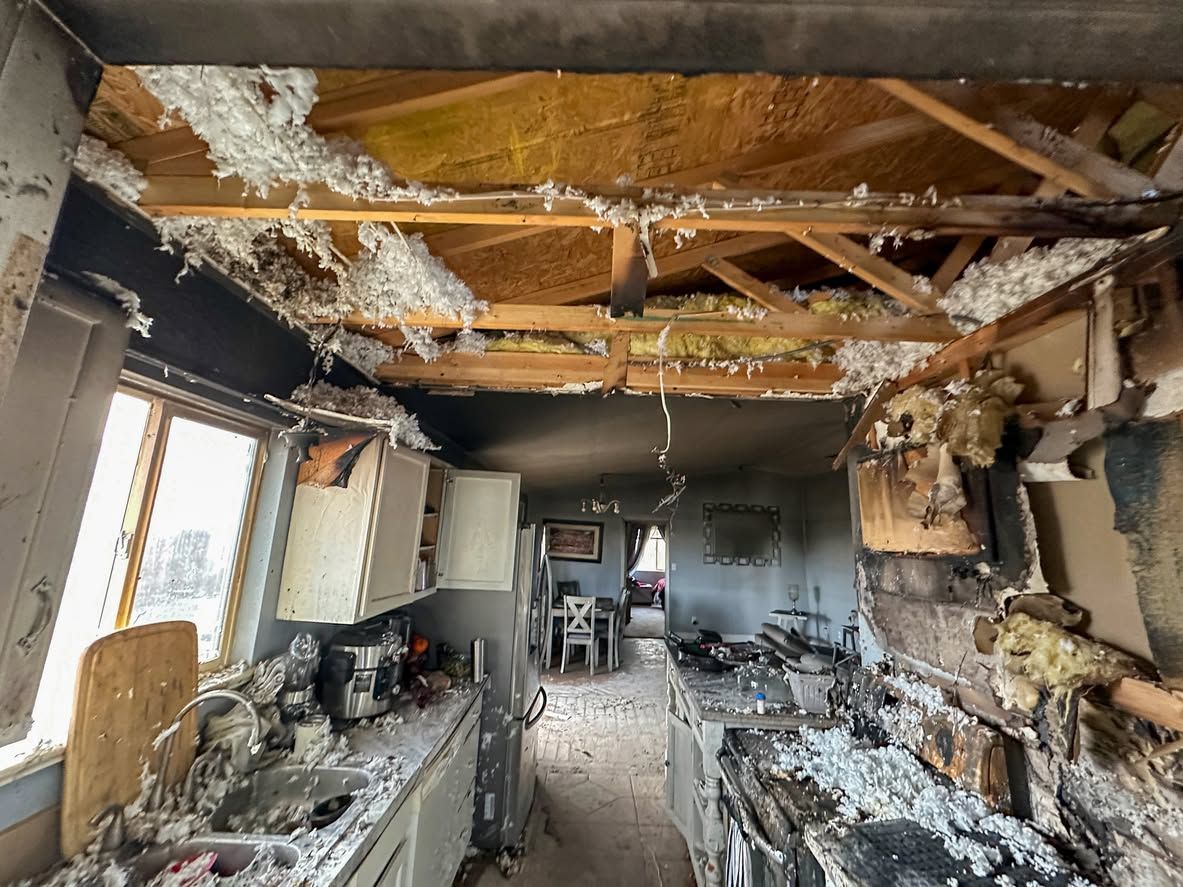
Fire consumes more than the materials it touches directly—heat warps framing, smoke penetrates insulation and ductwork, and soot deposits acidic residue on every surface exposed to combustion byproducts. What remains standing after flames are extinguished often requires coordinated assessment, stabilization, cleaning, odor treatment, and reconstruction before the property becomes habitable again. Beaver Dam Water Restoration manages the complete fire recovery process across Hutto, arriving within two hours of notification to secure the structure and begin damage documentation.
Fire damage restoration evaluates not only burned areas but also materials affected by radiant heat, water used during firefighting, and smoke migration into adjacent rooms and concealed cavities. Crews stabilize compromised roofing and walls, remove debris, clean all salvageable surfaces, treat persistent odors with chlorine dioxide, and coordinate rebuilding to return the property to pre-loss condition or better.
Request an initial damage assessment to document structural integrity, surface contamination, and salvageable contents before beginning cleanup.
How Fire Recovery Addresses Hidden Damage
Restoration begins with property stabilization—tarping damaged roofing, boarding broken windows, and securing openings to prevent weather intrusion and unauthorized access. Technicians then catalog damage to framing, drywall, flooring, finishes, furnishings, and other materials, noting areas where heat exposure compromised structural integrity even without visible charring.
After cleanup concludes, surfaces no longer carry soot films that attract moisture and corrode metals, walls and ceilings are free of smoke residue that reactivates odor during humidity spikes, and air inside the structure smells neutral rather than acrid. Belongings that survived the fire are cleaned, inventoried, and stored in climate-controlled warehouse space or an on-site pod while reconstruction progresses, reducing loss and simplifying the transition back into the property.
Beaver Dam Water Restoration uses chlorine dioxide treatment to neutralize smoke odor embedded in porous materials and applies specialized cleaning agents to remove soot from non-porous surfaces without damaging finishes. Reconstruction follows cleanup, replacing unsalvageable framing, drywall, flooring, cabinetry, and other components destroyed by fire or water, and insurance claims assistance coordinates documentation and adjuster communication throughout recovery.
Answers to Recovery Process Questions
Fire damage creates uncertainty about timelines, salvageable materials, and the path forward, so clients ask detailed questions before committing to a restoration plan.
What is the first priority after a fire is extinguished?
Stabilizing the structure to prevent further damage from weather, unauthorized entry, or shifting materials comes first, followed by a thorough assessment of fire, smoke, heat, and water damage to guide the recovery plan.
How does the team eliminate smoke odor that lingers after cleaning?
Beaver Dam uses chlorine dioxide treatment, which neutralizes odor molecules embedded in porous materials like insulation, framing, and subflooring rather than masking smells with fragrances or sealants that fail over time.
Can belongings and furnishings be saved after fire exposure?
Many contents survive if cleaned promptly and properly, and the team inventories, cleans, and stores salvageable items in temperature-controlled warehouse space or an on-property pod during reconstruction to reduce total loss.
Does restoration include rebuilding damaged structural components?
Yes, fire damage restoration transitions into full reconstruction, replacing compromised framing, roofing, walls, flooring, windows, cabinetry, plumbing, wiring, and finishes to restore the property or complete an upgraded remodel based on your preferences.
How long does fire recovery typically take in Hutto?
Duration depends on damage extent, material availability, and permit timelines, but most residential fire restoration projects involve several weeks of cleaning and odor treatment followed by additional weeks of reconstruction and finishing work.
Beaver Dam Water Restoration coordinates every phase of fire recovery from emergency stabilization through final finishes, ensuring smoke residue, odor, and structural compromise are addressed systematically. Arrange a property inspection to begin documenting damage and planning your recovery timeline.